

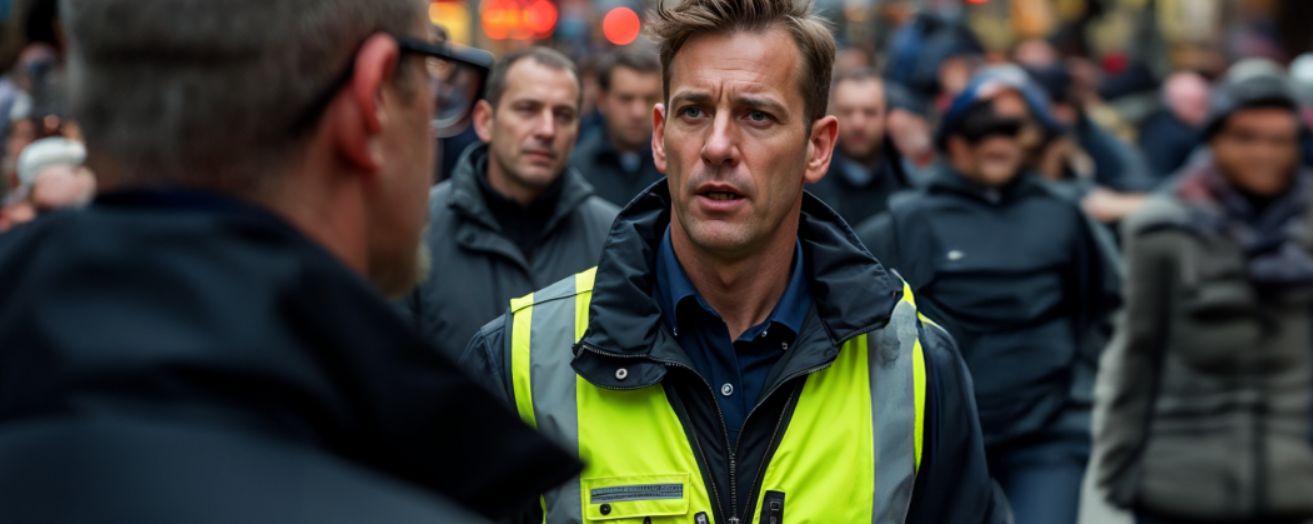


With the devastating and recent terrorist attack in Reading, Get Licensed has highlighted key prevention techniques for those working in the Security industry. These are in compliance with the CPNI – Threat Recognition Guide.
What Should Security Professionals Do?
When encountering a potential terrorism threat, it is essential that you “consider both where you are working and who or what you are trying to protect.”
This will help you formulate a plan of defence, as attackers are likely considering these same elements.
Some common forms of terrorism weapons that you should be aware of include;
– Bladed Weapons
– Firearms
– Vehicles as Weapons
– Fire as a WeaponExplosivesChemical, Biological or Radiological Materials
A good question to ask yourself is “What threats are you protecting your site from?”
In addition to weapons themselves, it is crucial that you are able to recognise suspicious behaviour and items, as noticing these elements could potentially prevent a terrorist attack.
H.O.T Protocol
The CPNI, in compliance with the British Transport Police, has released the acronym “H.O.T” for assessing Suspicious items
H – Is it hidden from view, not in clear sight?
O – Is it obviously suspicious because of its appearance or the circumstances of its discovery?
T – Is it typical of what you would expect to find in this location?
W.H.A.T Protocol
In addition, the CPNI have also released the acronym “W.H.A.T” for identifying Suspicious Behaviours
What – are they doing?
How – are they behaving?
Alone – or acting with others?
Threat – what type do they post?
Attack Indicators
There are various indicators that suggest an attack has begun. With the two main categories being Visual and Sound, here are some points that you should be aware of
Visual
– Individuals running into or out of an establishment or crowded area
– People moving together, forming a crowd
– Dead or dying animals or other various wildlife, including plants and trees
– Unexplained smoke and/or fire
– Structural damage
Sounds
– Alarms, including fire alarms
– Gunshots
– Screaming
– Vehicles revving their engines
– Tyers screeching
– An Explosion
A question to consider is “Would you recognise the indicators of an attack?”
As a Security Professional, it is important that you are up to date and educated about potential threats that could arise in your area, along with the most appropriate way to safely handle them.
To learn further in-depth information, please see the CPNI Threat Recognition Guide.
[hubspot portal=”20130333″ id=”e80d97aa-a3db-47dd-a4da-b903ecebf385″ type=”form”]